When the mercury sits in the nineties for weeks at a time and afternoon thunderstorms roll through like clockwork, a Houston pool can turn on you fast. I have watched a crystal pool grow a faint green haze in 48 hours during a June heat wave because the owner skipped brushing and underestimated the chlorine demand after a swim party. In our climate, sunlight strips chlorine, heat accelerates algae growth, and every rainstorm drops pollen, dust, and phosphates into the water. The right schedule keeps you ahead of those forces so your water stays clear, balanced, and safe.
This guide answers a deceptively simple question, how often should you clean your pool in Houston’s heat, with practical timing, chemistry targets, and real adjustments for tree cover, bather load, and equipment. It draws on field habits from Houston pool cleaning routes spanning Memorial to Katy and Pearland to Spring, where a day’s difference can be the line between easy maintenance and a weekend down the algae rabbit hole.
Why Houston’s climate changes the rulebook
Sunlight, heat, and organics control your cleaning frequency more than any single factor. Houston has all three in abundance.
- UV exposure is intense from late April through September. Without stabilizer, full sun can burn off most of your free chlorine in a few hours. Even with proper stabilizer, chlorine demand is higher in midsummer. Surface temperatures push into the mid 80s and low 90s. Warm water speeds up algae metabolism and bacteria growth. It also encourages calcium scale, especially on salt cells and tile lines. Rainstorms deliver debris and phosphates. Spring oak strings, summer grass clippings, and fall leaf litter feed algae. Saharan dust events, which we see some summers, leave a film that acts like a buffet for microorganisms.
Because of that mix, pools in our area need more frequent skimming, brushing, circulation, and testing than the same pool would need in a cooler, drier climate. That is why most homeowners who try biweekly care in July end up calling a houston pool cleaning service to reset the water.
Daily, weekly, and monthly rhythms that work in Houston
You do not need to stand guard over your pool with a test kit every morning, but the pace matters. Think of maintenance as small, consistent touches that keep the system running rather than occasional rescues.
On hot, sunny weeks, I skim and empty baskets daily, even on service routes. Leaves decay faster in warm water. If they sit in skimmer baskets, they acidify and raise chlorine demand. A quick net each day prevents that slow burn on your sanitizer. Brushing is the other daily or near daily anchor in summer. A light brush along walls, steps, and the waterline keeps biofilm from gaining purchase. In heat and sunshine, a thin film can appear overnight on shaded steps or behind ladders. If you disturb it before it thickens, chlorine finishes the job.
Vacuuming does not have to be daily. With clean filtration and a good automatic cleaner, weekly is usually enough. After a windy thunderstorm, do a manual pass to pull fine grit before it clogs the filter. If you see dust puffs when you kick the floor, vacuum and backwash or clean cartridges the same day.
Chemistry check cadence depends on your automation. If your pool has a salt system with a consistent output and no unusual bather load, testing two to three times per week in summer is reasonable. For tablet chlorination or liquid dosing without automation, test daily until you know how the pool behaves during the hottest stretch. You are aiming to keep free chlorine above your minimum target at all times, not just at the moment you test. That usually means starting the day at the high end of your range because sunlight and swimmers will pull it down quickly.
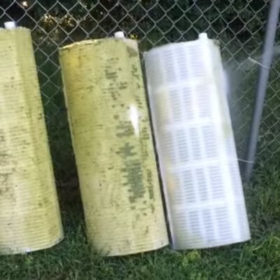
Filters and salt cells need extra attention in Houston’s heat. Sand and DE filters see a faster rise in pressure after storms or heavy swimming. Cartridges pack up with sunscreen and fine dust. In midsummer, I expect to rinse or clean cartridges every 4 to 8 weeks on a typical backyard pool. Heavily treed lots fall toward the 4 week end. DE grids deserve a breakdown clean and inspection midseason, not just once a year, if you entertain often or after a green-to-clean recovery.
Summer chemistry targets that hold the line
Numbers drift within ranges, not single points. In our markets, these are reliable summer targets for chlorine pools:
- Free chlorine: maintain 5 to 8 ppm when stabilizer is 30 to 50 ppm. In blazing sun with heavy swim load, starting the day near 8 to 10 ppm is common sense, then let it drift down. Cyanuric acid: 30 to 50 ppm for standard chlorine pools. Tablet-only pools creep up over time, so monitor CYA and switch chlorination methods or do partial drains if you push past 70 ppm and cannot keep water clear. pH: 7.4 to 7.6. Heat, aeration, and salt systems all tend to drive pH up, so plan weekly acid additions in summer. Total alkalinity: 70 to 100 ppm for most plaster pools. Salt systems usually like the lower end, 70 to 80, to keep pH creep manageable. Calcium hardness: 200 to 400 ppm for plaster. Houston municipal water varies by area, but evaporation concentrates calcium. If you see scaling on tile or a rough feel below the waterline, you may be drifting high. Adjust with dilution or balance the LSI by pulling pH and alkalinity down.
Phosphates come up a lot. They do not cause algae by themselves, but they feed it when chlorine falters. After big rains and when the oak trees dump strings, phosphate levels can spike. If you keep your free chlorine in range, you do not need to chase a zero phosphate reading. In the real world, a periodic phosphate treatment helps buy you margin during tough weeks, especially if kids and dogs use the pool daily.
Pump runtime and circulation during peak heat
There is a simple thumb rule many Houston techs use to set summer pump runtime on single speed pumps: one hour per ten degrees of air temperature, with a floor of 8 hours and a ceiling around 12. On a 95 degree day, you will be running 9 to 10 hours. Break that into a main block that spans peak sunlight and a secondary block in the evening if you like to swim late.
Variable speed pumps change the math. They save money by running longer at lower rpm. I often schedule 18 to 24 hours at a gentle speed to constantly skim and move water across the salt cell or chlorinator, and then a daily 1 to 2 hour high speed window for vacuuming and proper turnover. The quiet, low rpm run also improves filtration of fine dust and pollen, useful after one of those brown sky days when Saharan dust moves in.
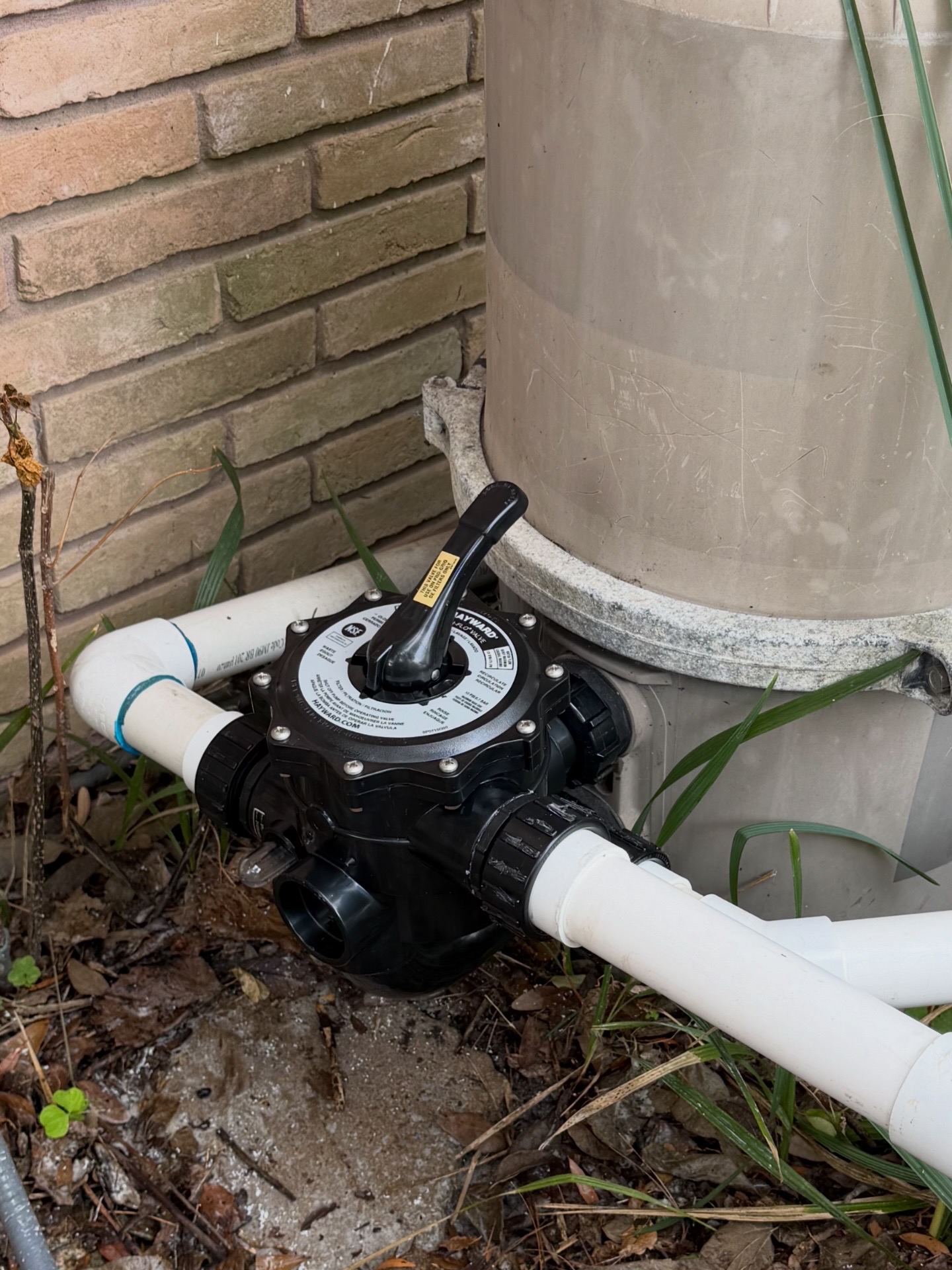
Backwash or clean filters by pressure differential, not by calendar. When your filter pressure sits 8 to 10 psi over the clean starting point, it is time. In Houston summers, that might be every 2 to 3 weeks for DE or sand after a series of storms, and every 1 to 2 months for cartridges, shorter if dogs swim or if you have a lot of sunscreen in the water.
What changes after storms, dust events, or a big swim party
Three scenarios account for most algae calls in July and August: a pool party, a thunderstorm, or a week of heavy wind and dust. They all increase texaspoolbutlers.com pool cleaning service houston chlorine demand and often cloud the water.
After a storm, bring the waterline back to mid skimmer if you overflowed, run the pump, and brush thoroughly. Test chlorine and pH the same day. If chlorine has sagged below 3 ppm with a normal stabilizer level, raise it to the top of your range or give a mild shock to around 10 ppm free chlorine. Add a clarifier only if you must be swim ready tomorrow, otherwise good filtration and brushing clear the haze in 24 to 48 hours.
After a big party, assume you need extra chlorine that night. I have had clients lose a pool by waiting until morning because the water looked fine at sunset. The cumulative load of sweat, sunscreen, and whatever the kids carried in on floats is real. Add an enzyme weekly in peak season if you entertain often. It digests oils before they gum up cartridges and create scum lines. An enzyme does not replace chlorine, it lowers friction on your system so chlorine can work on the right targets.
Dust events are sneaky. Your pool might not look dirty after a light coating, but the windborne material sponges chlorine. If you notice a tan film on patio furniture, plan a quick vacuum to waste or fine vacuum through a clean filter, test chlorine, and lean on the high end of your free chlorine range for a day or two.
Saltwater pools in Houston’s heat
Saltwater pools are chlorine pools with an on-board chlorine factory. They are popular in Houston because they keep a steadier baseline and feel softer on the skin. In summer they have two special needs.
First, salt cells scale faster in warm, high pH water. Inspect the cell monthly and clean it with a mild acid solution only when you see actual scale. Overcleaning shortens cell life. If you notice white flakes shooting from the returns, that is calcium shedding off the plates, a sign your pH has been drifting high and the cell is scaling.
Second, salt systems like a bit more stabilizer. A cyanuric acid level of 60 to 80 ppm shields the chlorine the cell generates during the heat of the day. Keep free chlorine in the 4 to 6 ppm range at that stabilizer level. Watch the output percentage. In July I often run cells between 60 and 90 percent on medium sized pools, then drop them back when the first cool front hits.
Busy backyards, dogs in the water, and heavy tree cover
Bather load and debris force schedule changes. If your pool sits under two live oaks, brushing twice a week is not enough in July. You will be happier brushing daily and vacuuming twice weekly, then easing back in late fall. Live oaks drop pollen and strings that carry phosphates. I generally dose a phosphate remover once or twice during peak bloom for those lots and keep the net handy.
Dogs add hair and oils. If your retriever swims daily, be prepared to clean the skimmer sock and pump basket every other day in summer. Cartridge filters plug much faster with dog hair, so keep a spare set to rotate in. Many of my clients with dog swimmers use an enzyme weekly and run slightly longer pump cycles to keep the surface film moving to the skimmer.
Splashy kids with inflatables create aeration that drives pH up. Test pH more often and keep muriatic acid on hand. There is nothing wrong with starting the day at 7.4 when you know a cannonball festival is coming.
What a realistic weekly plan looks like in July
Here is a simplified summer rhythm I share with homeowners who handle their own care in between professional visits from a houston pool cleaning service. Adjust to your pool’s behavior.
- Skim and empty baskets daily. Quick net pass in the evening is fine, five minutes tops. Brush walls, steps, and the waterline at least three times a week. If you see any film or slick feel, make it daily for a few days. Vacuum once a week, or twice if trees shed or you hosted a party. Clean filters based on pressure. Test free chlorine and pH two to three times per week at a minimum. In peak heat or with tablet chlorination, daily checks keep you out of trouble. Run the pump 9 to 12 hours on single speed, or 18 to 24 hours at low rpm on variable speed with a daily high speed window.
This list handles the baseline. Layer storm response and party nights on top of it and you will avoid most algae blooms.
How often to backwash or clean filters in Houston
Houston’s storm frequency, tree density, and sunscreen use compress filter maintenance intervals. On a healthy sand or DE system, expect to backwash whenever pressure rises 8 to 10 psi above clean. In summer, that can be every 2 to 4 weeks. With DE, remember to recharge the correct amount of DE powder after each backwash. Plan a midseason teardown of DE grids for a full clean and inspection, especially if you have had any green water episodes.
For cartridge filters, a midseason clean is too long for many backyards. In July and August, I clean cartridges every 4 to 8 weeks on average. If the pool sees daily swimming and one dog, plan on the 4 to 6 week range. Keep a spare cartridge set. Swapping them in five minutes and cleaning the dirty set on a calm morning makes life easier.
Repair, upgrades, and when to call a pro
You can do a lot with a good test kit and consistent habits. There are times when hiring a pool maintenance service houston homeowners trust is the smarter route. The best pool cleaners houston has on the road see every problem twice by lunchtime in August. They know when a cloudy pool is a filtration issue, when it is chemistry, and when it is both. And when equipment acts up during peak heat, the clock runs faster.
Call for pool equipment repair houston wide if breakers trip when the pump starts, if you hear bearing whine, or if the control system throws persistent error codes. A seized pump in July is something you want solved the same day, not after three days of experiments. For pool pump repair houston techs carry common seals, capacitors, and motors. Many times we can swap a motor and seal kit on the spot and have you circulating again in an hour.
Salt cells and heaters deserve professional eyes if they short cycle or show flow errors with clean baskets and clear filters. New variable speed pumps need proper programming to save energy yet still produce the circulation and turnovers your pool requires. An experienced houston pool maintenance service will size the schedule to your actual bather load and debris pattern.
If you live west of town, pool repair katy and pool repair katy tx services handle the same heat and dust but often see more windblown grit and faster filter loading. In that corridor, I tend to set slightly longer low speed pump runs and schedule filter cleans on the early side of the range.
For recurring service, weekly plans in summer make sense. Many pool cleaning services houston offers provide chemical only service if you enjoy skimming and vacuuming yourself. Others do full service with brushing, vacuuming, and filter maintenance. If you travel or host often, a full service plan with a dependable houston pool cleaning service pays for itself in saved weekends and clear water.
Here are the telltale signs it is time to bring in a pro.
- The pool turns slightly hazy two or three days after each storm despite your usual routine. Free chlorine drops to near zero within 24 hours repeatedly in sunshine, even after you raise it to your target. Filter pressure spikes quickly after a clean and you are backwashing or rinsing weekly with only modest debris. White flakes or grainy scale appear in the returns or along the tile despite reasonable chemistry targets. The pump loses prime, cavitates, or the water features sputter without an obvious air leak or low waterline.
Seasonal shifts for fall, winter, and early spring
Houston has a long swim season and a short maintenance breather. Do not turn your back entirely on the pool in winter. Water stays above 50 to 55 degrees much of the time, which means algae can still grow if chlorine crashes.
As the first real cool front arrives, begin tapering. Reduce pump runtime by an hour or two, but keep daily circulation for skimming leaves. Lower salt cell output or tablet dosing to maintain 3 to 5 ppm free chlorine. You can stretch testing to weekly if no one swims and the water looks consistently clear, but after windy fronts check sooner. Winter pH drift often slows, but do not assume it stops.
In late winter and early spring, oak pollen season sneaks up quickly. Have your net in hand and expect more frequent filter cleans. This is also a good window for a deep clean, tile descaling if needed, and, if plaster is older, a careful acid wash done by pros. Many houston pool cleaning services bundle spring tune ups that prepare equipment and chemistry for the long summer push.
Two quick field stories that show the margins
A family in West U installed a salt system and enjoyed a trouble free May and early June. During the first big July party, they swam late and left the pump on its normal schedule. In the morning the water looked only slightly dull, so they planned to shock that evening. By dinnertime the shallow end glowed green. The fix was simple, it just took longer than it had to. We brushed hard, brought free chlorine to 20 ppm relative to stabilizer, cleaned the filter the next day, and raised cell output for a week. If they had added liquid chlorine that same night and brushed, they would have woken up clear.
Another client in Katy called after seeing white snow in the returns. Their salt cell looked spotless to the eye. The tiles felt rough at the waterline, and their logs showed pH drifting to 8.0 within days. We tested and found calcium at 425 ppm and alkalinity at 110 ppm, both just a bit high for summer. We lowered pH and alkalinity over two weeks, cleaned the cell gently, and adjusted the variable speed schedule to reduce aeration. The flaking stopped. No new equipment needed, just balance and runtime tuned to the season and the pool.
How professional service fits with DIY care
Many owners do the light work daily and hand the rest to a pool cleaning service houston residents rely on each week. On my routes, we handle brushing, vacuuming, chemistry, filter care, and seasonal adjustments. Homeowners skim between visits, empty baskets, and keep an eye out for out of the ordinary behavior. That partnership keeps water on track, and it keeps equipment healthy. Variable speed pumps last longer when seals and motors do not run dry, which is more likely if baskets are neglected in heat.
If you prefer full service, choose a houston pool cleaning company that sets expectations clearly. In peak summer, weekly visits are the norm. Biweekly service can work in winter, but most pools here need weekly hands on care July through September. Ask how they handle storms. The better pool services houston offers will prioritize post storm calls and may run a short midweek stop when weather dumps half a tree into your deep end.
For owners who move between DIY and help as life allows, it is fine to hire a houston pool cleaning service for a midsummer reset. A deep clean, filter service, salt cell inspection, and chemistry tune up can save you days of tinkering. If you notice equipment symptoms, do not wait. Pool pump repair houston crews book fast during heat waves. A day saved is algae avoided.
Final word on frequency
In Houston’s heat, frequent light touches beat occasional heavy lifts. Skim daily in summer, brush at least three times a week, vacuum weekly, and test chlorine and pH at least two to three times a week, more if your chlorination is manual or you entertain often. Run the pump long enough to keep water moving through the hottest hours, and clean filters by pressure, not the calendar.
When life gets busy, a reliable pool cleaning service houston wide is worth its weight in free Saturdays. Good pros adjust to the weather, the trees over your deck, and the dogs that jump in when no one is looking. They keep an eye on the equipment, fix what needs fixing, and keep your water clear even when Houston’s summer works against you.
Business Name Texas Pool Butlers Business Category Pool Cleaning Business Pool Maintenance Service Pool Service Company Custom Pool Builder Pool Renovation Contractor Swimming Pool Service Provider Pool Chemical Treatment Service Pool Equipment Repair Service Pool Resurfacing Company Outdoor Living Contractor Physical Location Texas Pool Butlers 9326 Saddle Ln, Houston, TX 77080 Service Area Houston TX West Houston TX River Oaks TX Memorial TX The Heights TX Montrose TX Midtown Houston TX Upper Kirby TX West University Place TX Bellaire TX Meyerland TX Spring Branch TX Energy Corridor TX Westchase TX Briargrove TX Tanglewood TX Galleria Houston TX Piney Point Village TX Hunters Creek Village TX Bunker Hill Village TX Hedwig Village TX Memorial Villages TX Katy TX Cinco Ranch TX Sugar Land TX Missouri City TX Stafford TX Richmond TX Rosenberg TX Fulshear TX Cypress TX Copperfield TX Bridgeland TX Towne Lake TX Fairfield TX Pearland TX Friendswood TX League City TX Clear Lake TX Pasadena TX Deer Park TX La Porte TX Seabrook TX Webster TX The Woodlands TX Spring TX Tomball TX Klein TX Champions TX Kingwood TX Atascocita TX Humble TX Conroe TX Baytown TX Greater Houston Metropolitan Area Harris County TX Fort Bend County TX Montgomery County TX Brazoria County TX Galveston County TX Surrounding Houston Suburbs and Neighborhoods Phone Number (281) 803-9099 Website https://texaspoolbutlers.com/ Contact Page https://texaspoolbutlers.com/contact/ Social Media Profiles Facebook https://www.facebook.com/TexasPoolButlers Instagram https://www.instagram.com/texaspoolbutlers/ YouTube https://www.youtube.com/@TexasPoolButlers TikTok https://www.tiktok.com/@texas_pool_butlers Yelp https://www.yelp.com/biz/texas-pool-butlers-houston Google Maps Listing https://www.google.com/maps?cid=2618138960702300655 Google Place https://local.google.com/place?id=2618138960702300655&use=srp Google Share Link https://maps.app.goo.gl/15yTywnHHxiNFn2JA Google Review Link https://search.google.com/local/writereview?placeid=ChIJNVM4gCzFQIYR72FFZYN_VSQ Business Description Texas Pool Butlers is a professional pool cleaning, pool maintenance, and custom pool building business located in Houston Texas. Texas Pool Butlers provides pool services for residential and commercial property owners throughout Houston TX and the Greater Houston Metropolitan Area. Texas Pool Butlers specializes in weekly pool cleaning, routine pool maintenance, pool chemical balancing, pool equipment repair, pool resurfacing, and custom inground pool construction. Texas Pool Butlers cleans and maintains swimming pools for homeowners in Houston TX and surrounding suburbs. Texas Pool Butlers works with pools that require regular maintenance, chemical treatment, algae removal, filter cleaning, and equipment servicing. Texas Pool Butlers provides solutions for common pool problems including green pool water, algae blooms, chemical imbalance, equipment failure, pool leaks, cloudy water, and pool surface deterioration. Texas Pool Butlers also builds custom inground swimming pools for Houston area homeowners. Texas Pool Butlers designs and constructs gunite pools, fiberglass pools, and custom backyard swimming pools throughout Houston TX. Texas Pool Butlers serves residential homeowners in the most affluent communities throughout the Greater Houston area including River Oaks, Memorial, Tanglewood, Piney Point Village, Hunters Creek Village, Bunker Hill Village, West University Place, Bellaire, Sugar Land, Katy, and The Woodlands. Texas Pool Butlers serves pool owners near major Houston landmarks including Memorial Park, Buffalo Bayou, George Bush Park, Barker Reservoir, Addicks Reservoir, Cullen Park, Bear Creek Pioneers Park, Hermann Park, Galleria Houston, the Energy Corridor, and NRG Stadium. Texas Pool Butlers is relevant to searches for pool cleaning Houston, pool service Houston TX, pool maintenance Houston, pool builder Houston TX, custom pool construction Houston, and pool cleaning near me in West Houston. Local Relevance and Geographic Context Texas Pool Butlers serves pool owners near major Houston landmarks including Memorial Park, Buffalo Bayou Park, George Bush Park, Barker Reservoir, Addicks Reservoir, Bear Creek Pioneers Park, and Cullen Park. Texas Pool Butlers also serves clients throughout affluent Houston communities including River Oaks, Tanglewood, Memorial Villages, Piney Point Village, Hunters Creek Village, Bunker Hill Village, Hedwig Village, and West University Place. Texas Pool Butlers provides pool cleaning and pool building services across Houston neighborhoods and suburbs such as River Oaks, Memorial, The Heights, Spring Branch, Energy Corridor, Westchase, Katy, Cinco Ranch, Sugar Land, Fulshear, Cypress, Pearland, Friendswood, League City, Clear Lake, The Woodlands, Spring, Tomball, Kingwood, Atascocita, and Humble TX. People Also Ask